
The ultimate showdown online vs. offline gambling with chicken road 2 game
The Rise of Online Gambling
Online gambling has revolutionized the gaming industry, offering convenience and accessibility that traditional gambling cannot match. Players can indulge in their favorite games anytime and anywhere, thanks to mobile apps like the chicken road 2 game app. This accessibility allows gamers to engage in fast-paced gameplay without the constraints of physical locations, drawing in a diverse range of participants.
The psychological allure of online gambling is significant. With the ability to play anonymously and the instant gratification of winning, players often find themselves drawn deeper into the experience. However, the anonymity can lead to issues of impulse control, as players may gamble without considering the consequences, making it essential to approach online gaming with mindfulness.
The Appeal of Offline Gambling
Contrasting with online platforms, offline gambling offers a unique atmosphere that many players cherish. The social interaction, excitement of in-person play, and the tactile nature of physical cards and dice create an immersive experience that online gaming struggles to replicate. Games like Chicken Road 2 enhance this offline experience by allowing players to engage casually with friends or family in a non-competitive environment.
Psychologically, offline gambling can build camaraderie among players. The shared experiences and communal celebrations of wins can foster a sense of belonging. However, it can also lead to social pressure, with individuals feeling compelled to play longer or wager more to maintain social ties, highlighting the need for balance in both online and offline settings.
Skill and Strategy in Gambling
The Chicken Road 2 game exemplifies how skill and strategy play crucial roles in both online and offline gambling scenarios. Players must navigate challenges and make quick decisions, which mirrors the strategic elements found in traditional gambling games. This interplay of skill can lead to heightened engagement and enjoyment, drawing players deeper into the gaming experience.
In online gambling, skill may translate to better decision-making and increased odds of winning. Conversely, offline gambling often relies on intuition and social cues. The psychological impact of knowing your opponents in person can add layers of complexity to gameplay, making the experience richer and often more stressful. Understanding these dynamics can aid players in developing their strategies effectively.
The Role of Technology in Gambling
Technology plays a pivotal role in shaping the gambling landscape. Online platforms benefit from constant innovations, offering players enhanced graphics, immersive gameplay, and real-time updates. The Chicken Road 2 game showcases how technological advancements can create visually stunning and engaging experiences that keep players coming back for more.
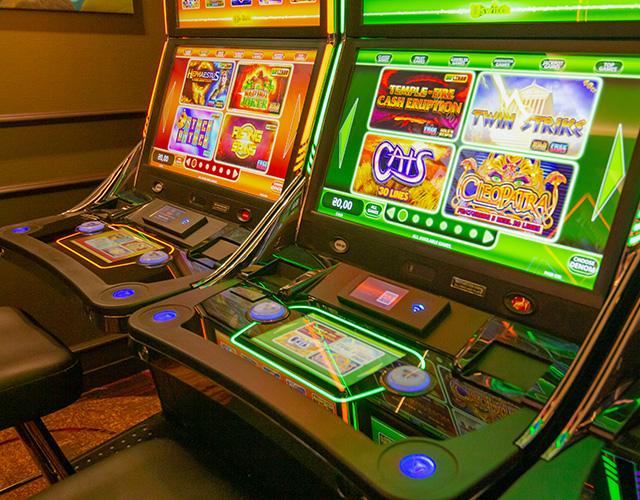
On the other hand, offline gambling has also embraced technology with modern gaming machines and electronic tables. While these innovations can streamline the experience, they may also detract from the traditional charm of gambling. Striking a balance between maintaining classic elements and integrating new technologies is essential for the longevity of both online and offline gambling experiences.

Conclusion: The Future of Gambling
The future of gambling lies in understanding the unique psychological aspects of both online and offline environments. While online platforms like Chicken Road 2 provide unparalleled access and convenience, traditional gambling still offers the human connection and excitement that many players crave. Balancing both worlds can lead to a more enriched gambling experience.
As the gambling landscape continues to evolve, embracing the strengths of each format will be key. Whether players choose to engage through apps or at physical venues, being aware of the psychological factors at play will enhance their enjoyment and decision-making processes. Ultimately, the future of gambling will thrive on this balance between technology and personal interaction.